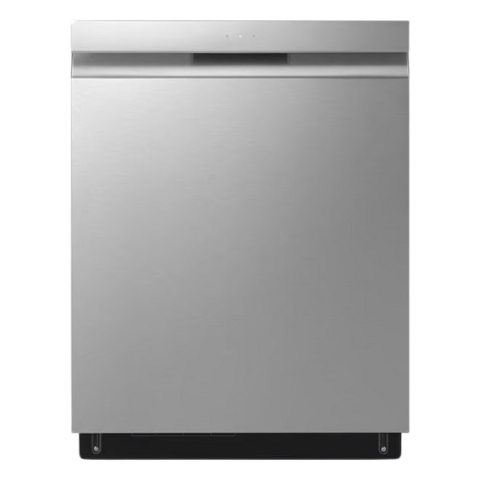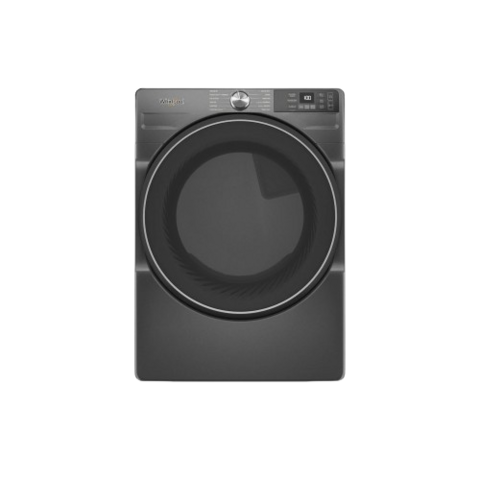
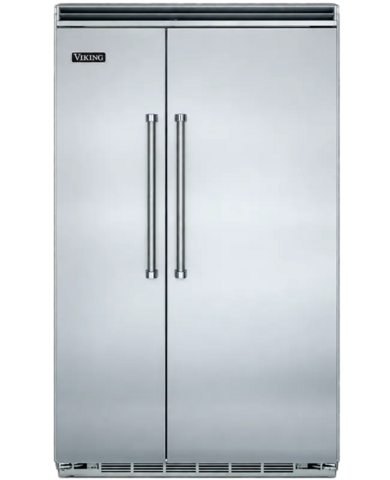
Preparing for built-in appliance repair means making the equipment and the route to it easier to understand. It does not mean pulling the appliance out of its cabinet. Collect the model information you can reach safely, describe the symptom and photograph the room layout. Then confirm access and scope with the service provider before the visit. This checklist is for refrigerators, wall ovens, under-counter appliances and similarly enclosed installations.
Identify the affected unit before discussing access
Start with the appliance that needs attention, not the brand of the whole kitchen. A cooking tower may contain a wall oven, a microwave and a separate warming drawer. A panel-front refrigerator can sit beside an independently controlled freezer column. Name the affected item and its position.
Find the model and serial information only if the label is accessible during ordinary use. GE explains that label locations vary by appliance type. A model name on a sales brochure may describe a product family, so an actual label photo is more useful when one is available.
If the label is concealed or too high to read safely, say so. Do not move the unit, remove trim or climb onto a countertop to obtain it. Existing purchase paperwork, an owner account or the matching booklet may help identify the product, but mark anything you have not confirmed.
Take a small set of useful photos
Choose views that answer an access question. A front view identifies the equipment; a wider room view shows nearby cabinetry or an island. A third photo can show a narrow approach or the entrance to an enclosed laundry area. More close-ups of the same handle rarely add useful context.
Keep the appliance installed while taking the photos. Show a decorative panel as it is, without detaching it to reveal the underlying door. Avoid including household paperwork, security codes or unrelated personal information in the frame.
Use normal door movement only when it is safe and the appliance is behaving normally. Do not force a jammed oven door, repeatedly open a warming refrigerator for pictures or reproduce a leak to make it more visible.
| View | What it helps explain |
|---|---|
| Whole appliance front | Which unit is affected, its visible controls and its installed position. |
| Room overview | Adjacent cabinets, an opposite island and ordinary working space. |
| Approach to the room | A narrow doorway, stairs or a turn that is not visible beside the appliance. |
| Accessible product label | The model and serial details of this unit, without moving it. |
Access preparation is different from appliance removal
Clear items that are not part of the installation: a movable bin in the walkway, a rug that obstructs the approach or countertop belongings immediately beside the work area. Keep children and pets away from the space during a visit. These are household preparations you can discuss without altering the equipment.
Leave anchoring, trim, custom door panels and attached parts in place. Sub-Zero provides product-family guidance for anti-tip brackets, and Wolf describes anti-tip protection for its ranges. Those resources are a reason to preserve the installed safety arrangements, not instructions for a homeowner to release them before service.
Do not unstack laundry equipment, pull out a wall oven, detach a refrigerator door or disconnect water, fuel or electrical connections as preparation. Whether removal is necessary depends on the appliance and the proposed work. Ask who will assess and perform it before arranging separate labor.
Describe the route beyond the kitchen or laundry room
A close-up cannot show every practical restriction. For a Las Vegas home or managed building, mention a gate, stairs, elevator arrangements, parking rules or an entrance that is different from the postal address. Include only conditions that actually apply to the property.
If the building requires service-access paperwork or a particular arrival process, explain the requirement before a time is agreed. Do not assume that the provider has already received instructions from a concierge, property manager or another household member.
Share the route requirements without posting access codes publicly. Discuss how temporary access information should be provided through the agreed contact method. If a doorway measurement is already known, include it with its location; do not promise that it guarantees equipment can be removed.
- Which entrance should be used and whether stairs are involved.
- Any building-managed access or elevator arrangements.
- Parking restrictions that affect the approach.
- Known narrow openings or finished surfaces near the appliance.
- Who can provide access and discuss the appliance history.
Match the documents to the installed model
Keep the owner guide, installation instructions and any previous service paperwork together. Owner instructions explain normal controls and care, while installation literature can identify model-specific mounting and clearance information. A drawing for a similar-looking appliance should not be treated as a measurement of your installation.
Thermador's owner resources link to manuals and installation material. Use the complete product identifier when searching those resources. You can share the relevant document with the provider without attempting the installation steps yourself.
If a manufacturer warranty or service plan may apply, ask that organization about its claim process and provider requirements before authorizing work. Keep the coverage question separate from a diagnosis: having paperwork does not establish which fault exists or who has approved a repair.
Send a short summary that connects symptoms and access
Combine the equipment identity with one clear description of the concern. For a refrigerator, name the affected compartment. For a wall oven, identify the cavity and mode. For an under-counter dishwasher, state whether the issue involves washing, draining, a message or visible water.
Describe the installation in the same message so access information does not get separated from the appliance details. The example below is a writing format, not a report of a completed job or a diagnosis.
- Appliance: lower wall oven; model label attached if accessible.
- Observed concern: Bake was selected, but preheat did not appear to finish.
- Installation: oven in a cabinet tower, with a kitchen island opposite.
- Access: ground-floor entrance; any actual building requirements listed.
- Question: are additional photos or access arrangements needed before a visit?
Confirm what the proposed visit includes
Ask whether the provider has enough information to assess the appliance and its installation. Clarify whether the discussion concerns diagnosis, access planning or already authorized work. Sending a photograph or an inquiry does not establish that an appointment or a repair has been confirmed.
If cabinet work, appliance handling or another trade may be needed, ask how that will be determined and who will arrange it. Confirm any proposed charges and authorization requirements directly. There is no universal built-in repair price or removal arrangement established by this checklist.
For a Las Vegas Appliance Pros inquiry, use the relevant service page or contact details to discuss the affected unit. Keep it installed and send the available information first. Further preparation should follow the agreed plan for that appliance.
Questions about preparing built-in appliances for service
Should I empty every cabinet before the visit?
Start with the affected unit and a room overview. Ask which adjacent storage areas need to be cleared after the installation is reviewed. Emptying unrelated cabinets does not establish that the required access has been provided.
Should I pull the refrigerator forward so the technician can reach it?
No. Leave it in its installed position for the initial access discussion. Anchoring, custom panels, utility connections and appliance handling need to be considered before removal.
What if I cannot find the model number?
Explain that it is unavailable and send a front view plus any existing paperwork. Do not dismantle the installation to obtain a label. The provider can discuss how identification should be completed.
Sources & further reading
- GE Appliances: model and serial label locations
- Thermador: model-specific owner and installation resources
- Sub-Zero: anti-tip bracket information by product family
- Wolf: gas, dual-fuel and induction range anti-tip mechanisms
This guide draws on manufacturer owner-support resources. Instructions for your specific model take precedence. Internal repairs and component diagnosis require appropriate professional assessment.
Your next step
Find the right service for your equipment.
To discuss an appliance, email [email protected] with your equipment details and observations.