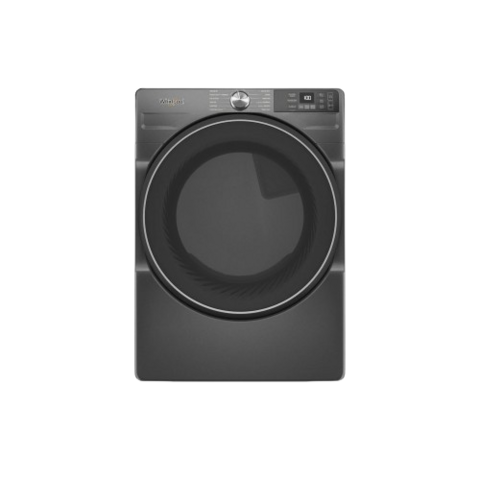
If a dryer finishes but the clothes remain damp, describe what changed before deciding which part has failed. A load that entered unusually wet, an air-only setting and a restricted exhaust can all produce a drying complaint. A heat-pump dryer also behaves differently from a conventional vented machine. This guide helps Las Vegas households record useful observations without moving the appliance, opening panels or working on its electrical or gas connections.
When to stop using the dryer
Stop using the dryer if it overheats, smells burnt or produces smoke. Do not run another cycle to see whether the problem clears. An active fire or immediate danger needs emergency assistance rather than a repair inquiry. Avoid touching damaged wiring or a hot appliance.
The U.S. Fire Administration recommends professional installation and servicing, cleaning the lint filter before and after cycles, and keeping venting free of damage and restrictions. An accessible lint screen is routine care; opening the cabinet or disconnecting the exhaust is a different job. Do not operate the appliance with its filter removed.
Record the load and selected cycle first
Write down the cycle name, dryness level and any options visible on the controls. Whirlpool notes that air-only settings do not add heat, overloaded or mixed loads can take longer, and laundry that enters soaking wet adds moisture to remove. Use the care labels and your dryer manual when choosing settings.
Separate a washer complaint from a dryer complaint: did the washer finish its final spin, or were the clothes much wetter than usual before transfer? Record the answer without forcing either machine to repeat a failed program. If only one particular load has caused trouble, describe its fabrics and approximate size rather than assuming every load behaves the same way.
Useful comparisons come from normal use you have already observed. You do not need to create test loads, override a sensor or keep restarting the machine to collect evidence. Include whether a familiar cycle used to finish successfully and when the change began.
Turn the symptom into a useful service note
The following distinctions help explain the complaint. They do not identify a failed component or establish that an appliance is safe to keep using. Describe only what you have observed; there is no need to reach inside a hot drum or expose a connection to answer a question.
| Observation | Details to record | What it does not establish |
|---|---|---|
| Drum turns; clothes remain damp | Cycle, load type, displayed time and whether the clothes seemed warm during normal unloading. | A turning drum does not confirm the heater or exhaust is working. |
| Cycle ends earlier than expected | Selected program, dryness option, load size and any message. | An early finish alone does not diagnose a moisture sensor. |
| Drying takes longer than it used to | When the change began and whether all familiar loads are affected. | Elapsed time alone does not identify an internal fault or blocked duct. |
| Airflow warning appears | The exact code or wording, model number and whether it returns. | Codes are model-specific; a generic search result is not a diagnosis. |
Check whether the dryer uses an outdoor exhaust
Identify the dryer type from paperwork or an easily accessible model label. Do not pull a stacked, built-in or heavy machine forward to find out. Tell the service provider if the exhaust route is unknown, shared with a building system or inaccessible.
For a vented dryer, record visible restrictions or damage only where you can see them safely. Whirlpool explains that an obstructed exhaust can prevent moisture from leaving the machine. A clean lint screen does not establish that the entire duct is clear. Leave inaccessible duct inspection and cleaning to an appropriate professional; do not disconnect ductwork or climb to a roof outlet.
Ventless machines need their own model instructions. LG explains that heat-pump drying can take longer than gas or conventional heater drying because of how it transfers heat. That does not make every extended cycle normal. Compare the current behavior with the manual and the machine’s previous performance, and follow only the filter or water-container care specified for that model.
Prepare your Las Vegas repair inquiry
Keep a short record with the brand, complete model, fuel or dryer type if known, exact displayed message, selected cycle, load description and date the problem started. A photograph of the controls and installation can help explain access. Avoid including unrelated personal information in photographs.
For a condo, rental or stacked installation, add the access arrangements and whether the laundry equipment or exhaust belongs to a building-managed system. These are details to confirm for your property, not assumptions about Las Vegas homes. Explain what is accessible and let the provider confirm the equipment and work they can assess.
You can call or email Las Vegas Appliance Pros using the contact page. If you use the request-preparation form, it saves a text draft on your device; you still need to share those details. A download does not send an inquiry or confirm an appointment. Ask about availability, diagnosis and any applicable charges before arranging work.
Common questions about long drying times
Use the complete model number when looking up product instructions. Advice for another dryer type may not apply to your machine.
Does warm laundry mean the dryer is working correctly?
Warmth alone does not show that moisture is leaving the load effectively. Record whether the load was damp, the cycle used and any airflow message. A service assessment can then consider the appliance and its installation together.
Should I keep restarting a damp load?
Repeated restarts do not establish the cause. Review the settings and routine care in your manual, and stop if there is overheating, a burning smell or another warning sign. If the problem persists, arrange an assessment rather than extending use to collect more observations.
Is this a repair problem or a vent-cleaning problem?
A drying complaint may require appliance diagnosis, exhaust inspection or both. Describe your observations before booking, especially if the duct is inaccessible or building-managed. Confirm the provider’s scope; this guide does not promise vent-cleaning services or diagnose a blocked duct.
Sources & further reading
- Whirlpool: drying performance, cycles and airflow
- Whirlpool: load moisture and drying performance
- LG: electric heat-pump dryer drying time
- U.S. Fire Administration: clothes dryer fire safety
This guide draws on manufacturer owner-support resources. Instructions for your specific model take precedence. Internal repairs and component diagnosis require appropriate professional assessment.
Your next step
Find the right service for your equipment.
To discuss an appliance, email [email protected] with your equipment details and observations.